Ways to Cultivate Student Resilience
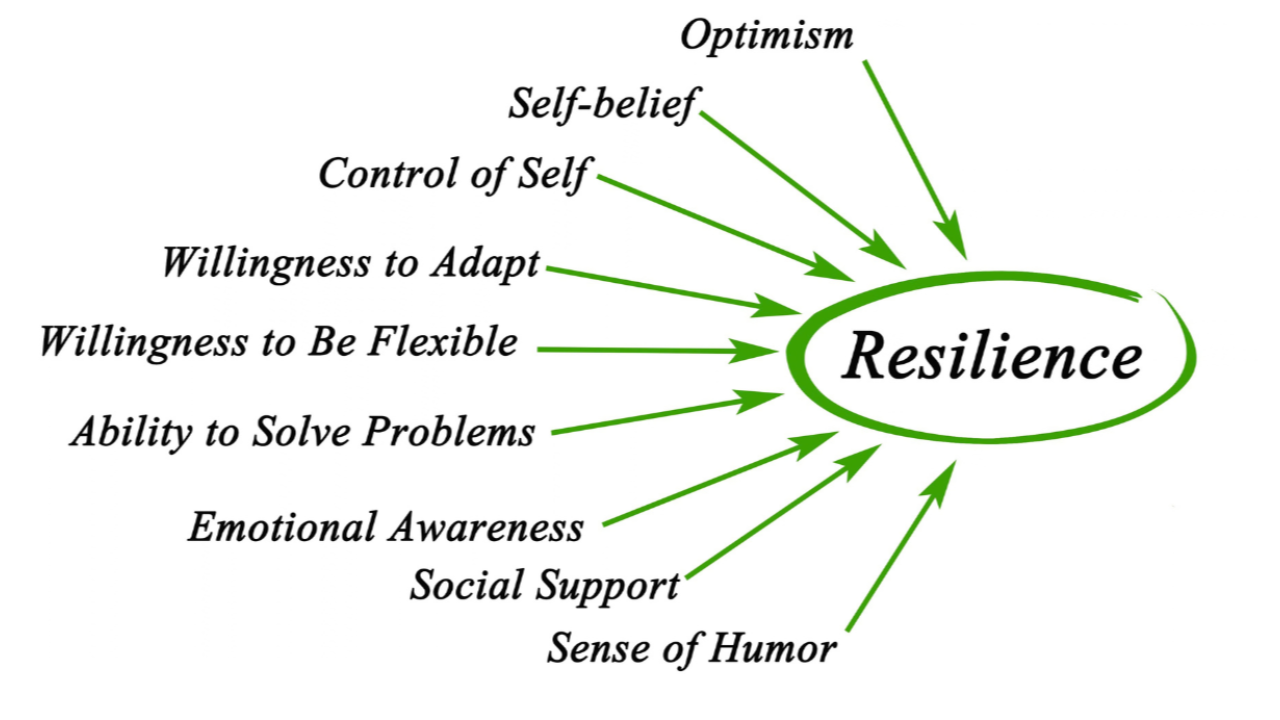
Resilience. I have written about it before (Reslience). However, new evidence continues to emerge about its importance in higher education. The effects of stress on cognitive function and learning is well documented. The demanding schedule, content volume, and time frame of PA education make it diff...
The impact you can have on students

Recently, I came across some articles that reminded me about the impact we can and do have as teachers. I believe it is important for us to consider this truth. Most of us have had at least one teacher who changed our lives. Take a moment to think about a favorite teacher you had. Even now, I bet yo...
The Impact You Can Have on Students
Recently, I came across some articles that reminded me about the impact we can and do have as teachers. I believe it is important for us to consider this truth. Most of us have had at least one teacher who changed our lives. Take a moment to think about a favorite teacher you had. Even now, I bet yo...
How reflection and feedback can improve your teaching
I recently came across an article that reminded me of something I read in Ken Bain's book, "What the Best College Teachers Do." Part of being an effective teacher requires us to seek feedback, reflect, and assess whether what we are doing actually supports student learning. It is how we improve as t...
The Need for AI Literacy

I came across an interesting article about AI literacy. I am sure all of you are aware of the explosion of AI in almost everything, from browsers and phone apps to customer service chatbots to the learning management systems (LMS) used in education. It seems there is no escaping AI.
It r...
Movement-Based Brain Breaks
Drawing on neurobiological evidence about how learning works, we know that engaging different parts of the brain and providing brain breaks enhances learning and supports better retention. The more parts we engage, the better. By parts, I mean areas of the brain, like those that relate to hearing or...
Are Your Students Still Cramming for Exams?

The research is undeniable. Students cram for exams. One reason is that, for many of them, it worked in undergraduate studies. But we all know that, given master's-level education and our PA curriculum cramming, it can be problematic.
First, let's unpack what is meant by "cramming." This term refe...
Are Students Reading and Using Your Feedback?

Have you ever spent hours writing comments on students' submitted work, like a SOAP note, and then, when they hand in the next one, it still has all the same mistakes you commented on the last time? You're not alone. So, I'm here to confirm what you already know. Students tend to ignore feedback. Wh...
The CAT Test
As someone who taught students to search the literature effectively and assess the validity and credibility of sources, I appreciated finding this simple tool that can help our students consistently and critically assess resources.
I frequently taught the course in which we helped students learn h...
The Problems with Grading Part 2

In the first part of this two-article series (Click Here), I presented the findings of a study conducted at Harvard College on grading, an issue near and dear to all of us. In that first article, I presented some of their findings, which also resonate across higher education, including PA education....
EXCITING NEWS!
My book,
Becoming a PA Educator
is now available for purchase!
Sign up for The PA Educator
A monthly blog providing current, practical, and evidence-based articles, teaching tips, information about online faculty development courses, resources, and more for and about those who teach in PA education.

Emily WhiteHorse Ph.D., PA-C Emeritus
With almost 40 years in education and over 25 years providing faculty development nationally and in PA programs across the country, I seek to inspire, empower, and support new and experienced faculty as they transition from clinician to educator.