Movement-Based Brain Breaks
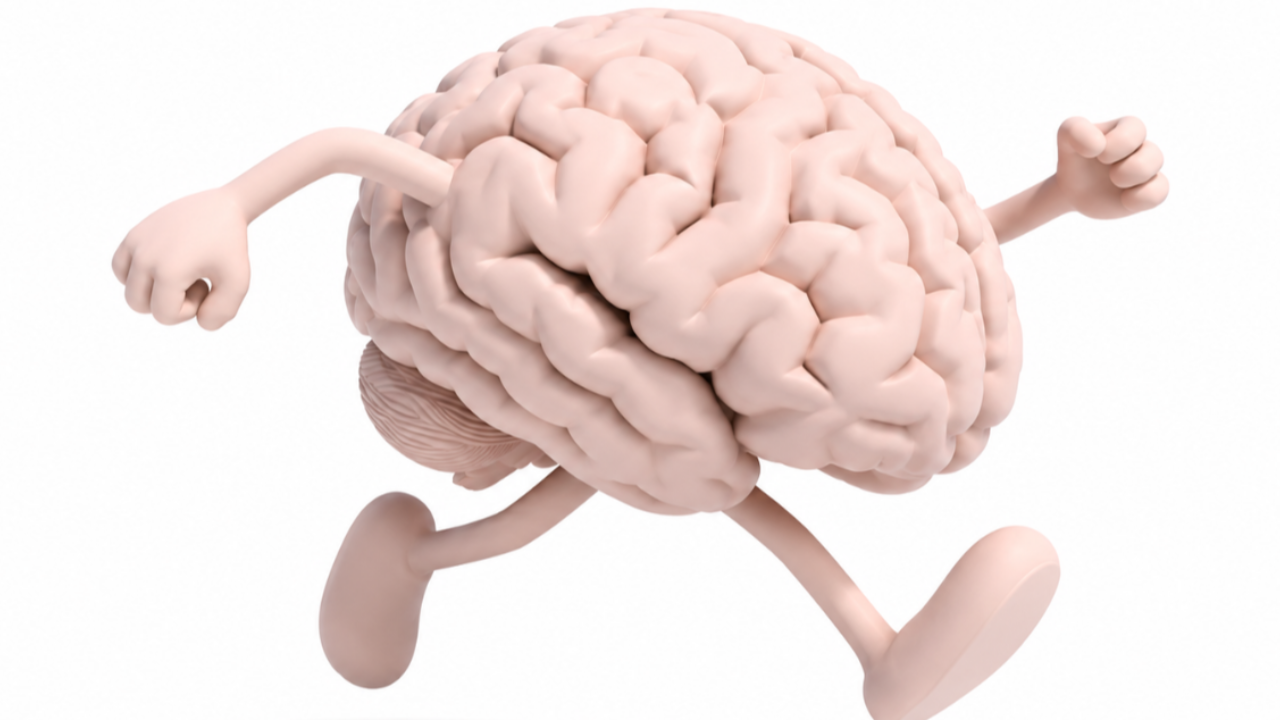
Drawing on neurobiological evidence about how learning works, we know that engaging different parts of the brain and providing brain breaks enhances learning and supports better retention. The more parts we engage, the better. By parts, I mean areas of the brain, like those that relate to hearing or seeing. In general, these are the two easiest and most common ones in education, but there is another one that has solid evidence supporting its role in learning as well: movement. I particularly like this one, given my first career teaching health and physical education.
During my early teaching days, especially with younger students, it was common to stop and get them up and moving. They simply didn’t have the capacity to sit still for hour after hour. Remember recess? It actually had a purpose. But once students got to high school, recess went away, and we began requiring them to sit still for hours. We knew, even back then (I’m not going to date myself here), that movement was important, but we limited it to younger kids and somehow believed that older students should learn to stay in their seats in class, even if it lasted several hours.
Historically, in higher education, the focus remains more sedentary. Yet, we know that even in a 50-minute class lecture, attention and focus decrease, as do memory and retention of the material (Hayes, 2024). The shift toward more active learning methods has helped illuminate many parts of the brain. These approaches help students shift from passive listening to interacting with the material in ways that require engaged thinking, analysis, or application of what they are currently learning. With this shift has come the concept of brain breaks, intentionally scheduled breaks during class, which have been found to enhance both learning and retention (Feiler, 2018; Willis, 2006; Young, 2020). Sustained focus depletes neurotransmitters, which diminishes learning. Rest is required to allow the brain to replenish so that focus and attention return (Tokuhama-Espinosa, 2014). The good news is that neurotransmitters quickly replenish, usually within 5 minutes (Willis, 2006). Given this information, brain breaks have become more popular.
However, when we talk about engaged and active learning that lights up the brain, another important but commonly overlooked part is movement, which includes the motor cortex in the frontal lobe and the cerebellum. From a medical perspective, we all know that movement is important for many reasons, including reducing stress and anxiety and improving health and well-being, all things we need to support and encourage in our students as well as in learning. What is exciting is that movement-based brain breaks are finally making their way into higher education.
Recent research shows that students who are given brain breaks that involve physical movement, like five minutes of exercise during a 50-minute class, were six times more likely to stay focused, performed better on immediate and follow-up assessments, and reported a stronger understanding of the material (Fenesi et al., 2018). Short, structured bursts of physical activity, about five minutes, interspersed during lectures, boosted alertness, reduced fatigue, and showed positive effects on executive brain function and memory (Hayes, 2024; Latino et al., 2025).
Suggestions for implementing activity-based brain breaks (DeWall, 2025; Hayes, 2024)
Student buy-in
As with anything new we try with students, the first step is to include them by sharing what you are doing, why it matters to their lives and future as clinicians. So, share research on how these short activities have been shown to help students learn more effectively and retain information.
The activity needs to be thoughtfully planned, structured, and organized (see reference listing with * for specific activity suggestions).
Enlist the students in the process. They can be assigned in pairs or small groups to develop a 5-minute activity to lead the class through.
Assure them that the activities don’t require athleticism. They will be simple movements everyone can do, requiring minimal coordination.
Think inclusion.
Standing and seated options should be included.
Students can opt out
Provide visual and verbal cues
Avoid anything that requires touch
Keep in mind, these don’t need to be done every day in every class. However, there should be at least one non-movement brain break per 50-minute lecture. And students should be encouraged to use this approach when studying. Brain breaks are needed then, too, so they can stay focused and retain the material they are studying.
Lastly, it’s important to note that recognizing and intentionally addressing the relationship between physical activity, cognitive function, and psychological well-being can help students manage stress and build resilience. Our students are required to cope with intense workloads, sustained mental effort, and ongoing exposure to stress, all of which will follow them into clinical practice. As we learn more about what supports learning, it is becoming increasingly evident that it isn’t just a cognitive and technical process; rather, it’s an embodied one that includes physical, psychological, and emotional components. Taking all of these into consideration can help prepare our students with the psychological flexibility, emotional balance, and resilience needed to manage stress effectively throughout their lives (Latino et al., 2025).
References
*DeWall, N. (2025, September 8). Break it to make it: The case of mid-class movement. The Teaching Professor. https://www.teachingprofessor.com/topics/teaching-strategies/break-it-to-make-it-the-case-for-mid-class-movement/
Feiler, K. E. (2019). Brain Breaks Go To College. Pedagogy in Health Promotion. https://doi.org/10.1177/2373379918799770
Fenesi, B., Lucibello, K. M., Kim, J. A., & Heisz, J. J. (2018). Sweat so you don’t forget: Exercise breaks during a university lecture increase on-task attention and learning. Journal of Applied Research in Memory and Cognition, 7(2), 261–269. https://doi.org/10.1016/j.jarmac.2018.01.012
Hayes, S. M. (2024). Establishing the feasibility of exercise breaks during university lectures. Frontiers in Sports and Active Living, 6, 1358564. https://doi.org/10.3389/fspor.2024.13585
Latino, F., Tafuri, F., Maisuradze, M., & Tafuri, M. G. (2025). Enhancing Academic Performance, Cognitive Functions, and Mental Well-Being Through Active Breaks: Evidence from a Pilot Study with University Student Sample. International journal of environmental research and public health, 22(11), 1605. https://doi.org/10.3390/ijerph22111605
Tokuhama-Espinosa, T. (2014). Making classrooms better: 50 practical applications of mind, brain and education science. New York, NY: W.W. Norton & Company.
*University of Waterloo. (n.d.) Integrating movement breaks into your class. https://uwaterloo.ca/centre-for-teaching-excellence/catalogs/tip-sheets/integrating-movement-breaks-your-class
Willis, J. (2006). Research-based strategies to ignite student learning: insights from a neurologist and classroom teacher. Alexandria, VA: Association for Supervision and Curriculum Development (ASCD).
Young, J.R. (2020). Want to learn more effectively? Take more breaks, research suggests. Retrieved from https://www.edsurge.com/news/2020-09-16-want-to-learn-more-effectively-take-more-breaks-research-suggests
EXCITING NEWS!
My book,
Becoming a PA Educator
is now available for purchase!
Sign up for The PA Educator
A monthly blog providing current, practical, and evidence-based articles, teaching tips, information about online faculty development courses, resources, and more for and about those who teach in PA education.

Emily WhiteHorse Ph.D., PA-C Emeritus
With almost 40 years in education and over 25 years providing faculty development nationally and in PA programs across the country, I seek to inspire, empower, and support new and experienced faculty as they transition from clinician to educator.