The Need for AI Literacy
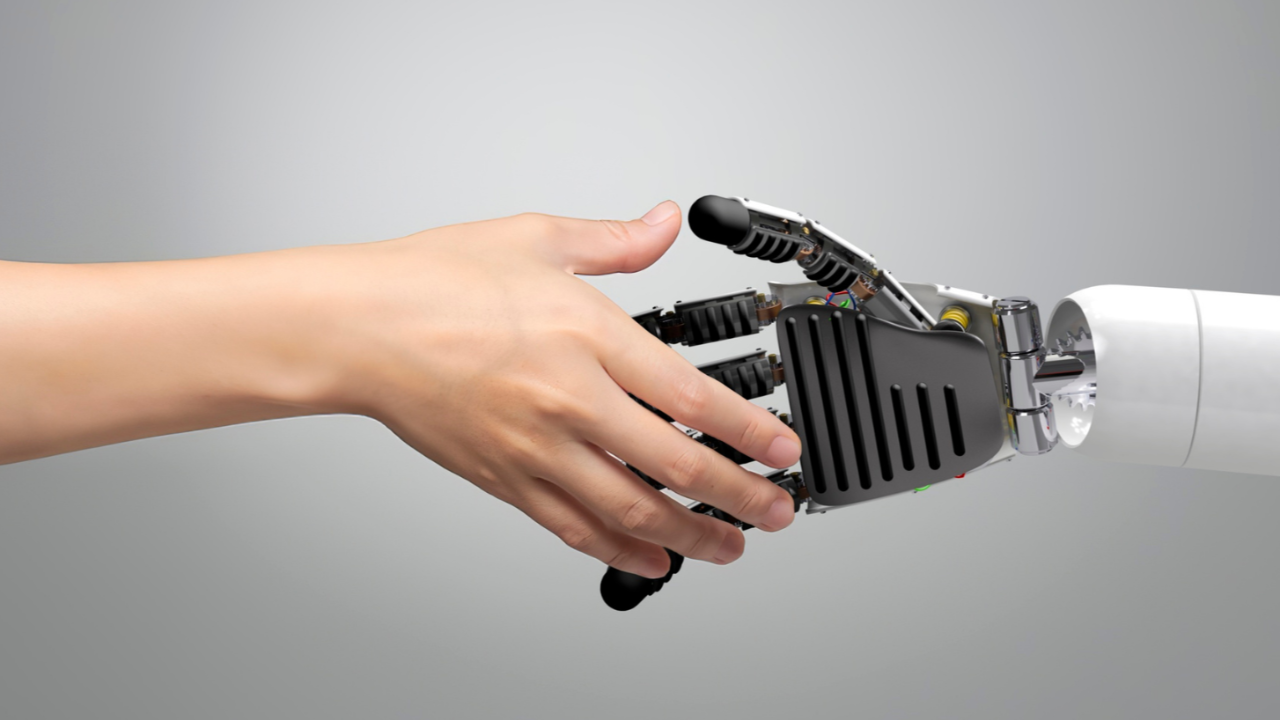
I came across an interesting article about AI literacy. I am sure all of you are aware of the explosion of AI in almost everything, from browsers and phone apps to customer service chatbots to the learning management systems (LMS) used in education. It seems there is no escaping AI.
It reminds me of when the DNA code was cracked, and medicine began moving toward genetic testing. The technology outpaced the implications and ethics of the information it generated. We were testing without fully understanding the ramifications or how best to use the data.
The initial educational fears about AI focused on how students would use it instead of doing the work themselves and how we could determine whether students had, and on ways to prevent them from doing so. Then, the focus shifted to deciding when and how to use AI as faculty members and when to permit students to use it. The learning curve has been so steep for everyone; it's been difficult to keep up, and AI keeps growing, able to do more and more things. But this concept of AI literacy really struck me.
First, let's look at what literacy is and why it's important. Literacy refers to much more than just reading and writing. It's about the ability to use language, including writing, reading, speaking, and listening, to process information, solve problems, and communicate. It's essential for navigating daily life. I particularly like the definition given by the American Library Association: "Literacy is a lifelong learning continuum that empowers individuals to achieve their goals and develop their full potential."
A lot of focus has been on teaching folks how to use AI, including those of us in education. An entire industry has emerged to help us use AI better, offering tutorials, courses, certification programs, and especially guidance on writing effective AI prompts. But the question posed by the author of the article I read was this. Education around the use of AI can't just center on teaching people how to use it; it also has to mean teaching people when NOT to use it and why (Handley, 2026).
I think this is important. In our role as teachers, we shape how others think, work, learn, and decide. So, it becomes more than just teaching students how to use AI or write good prompts. We should also teach them judgment. This means helping them determine when AI helps rather than hinders. Does the shortcut and speed AI provides rob our students and us of the very struggle or experience that teaches us something? Is there more value to doing it the human way, the harder way, or the longer way?
Quick and easy is certainly appealing and useful at times, but it can come at a cost. It can erode our ability to think, learn, problem-solve on our own, trust ourselves, or capture a deeper understanding that becomes part of our knowledge. It can rob us of experience, which is more powerful than any words on a screen. Retention of what we learn matters.
So, as you decide when and how to use AI, for yourself, in your courses, and with your students, I hope you consider incorporating this concept of AI literacy and judgment. As educators, we are role models. Our students look to us for guidance and example. Intentionally deciding not to use the tool and sharing why shows students what judgment looks like and the importance of considering that choice is a real option, and whether using a tool will cost you something you didn't mean to give up.
Reference
Handley, A. (2026, May 31). Sorry for ghosting: Where I've been. Total Anarchy. Issue 210. https://annhandley.com
EXCITING NEWS!
My book,
Becoming a PA Educator
is now available for purchase!
Sign up for The PA Educator
A monthly blog providing current, practical, and evidence-based articles, teaching tips, information about online faculty development courses, resources, and more for and about those who teach in PA education.

Emily WhiteHorse Ph.D., PA-C Emeritus
With almost 40 years in education and over 25 years providing faculty development nationally and in PA programs across the country, I seek to inspire, empower, and support new and experienced faculty as they transition from clinician to educator.